

W konstrukcji głośników wymyślono już prawie wszystko. Kolejne decybele już ciężko wyciągać (a i trochę nie ma po co), brzmieniowo w kategorii najlepszych marek to tylko kwestia gustu, a wzmacniacze są wypakowane po brzegi wysokojakościowym DSP. Co więc można zrobić aby przekonać potencjalnych kupujących do tego że nasze jest lepsze?
Największe pole do popisu pozostało w kategoriach użytkowych: czas montażu, łatwość konfiguracji i sterowanie zdalne. Choć jeszcze nie możemy nawet pomacać to mam wrażenie, że tę drogę wzięła sobie do serca amerykańska firma QSC – autor bardzo powszechnych w branży aktywnych kolumn z serii K, które pokazały, że można całkiem niedrogo, a jakościowo wykonać aktywną kolumnę średniej klasy. Szczególnie w kategorii wykonanie mechaniczne.
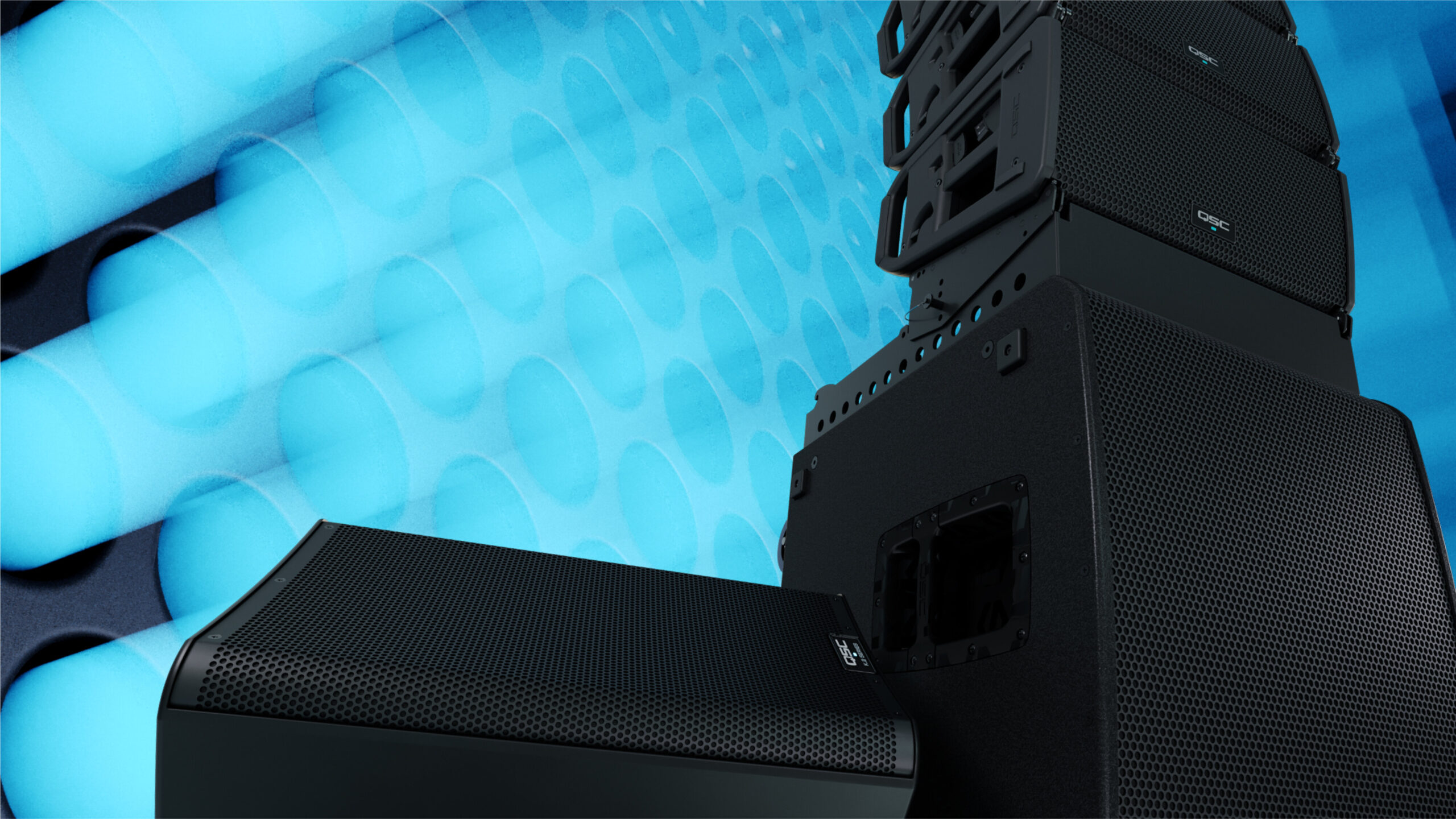
Ale dosyć o zamierzchłych czasach – zwróćmy się ku przyszłości. Amerykanie stworzyli nową serię kolumn line array – L-Class. Seria składa się z dwóch modułów liniowych: z 8 i 12 calowym przetwornikiem nisko tonowym (LA108 / LA112) oraz 18 calowego sub-basu LS118.
Na pierwszy rzut oka – system jak system. Się wiesza, się stackuje, zmienia kąty i inne tego typu wymysły dla znudzonych realizatorów. Produkty QSC zawsze klasyfikowały się dla mnie w kategorii ciut lepiej niż „mid class”. Co takiego więc zrobił producent aby trochę skusić klientelę?
Po pierwsze waga i wykonanie modułów liniowych. Jak na system aktywny z wbudowanym wzmacniaczem i procesorem to niespełna 14kg modułu LA108 i ciut ponad 21kg modułu LA112 to naprawdę dobry wynik. Na pewno pomogło przy tym wykonanie obudowy z wysoko wytrzymałego ABSu.
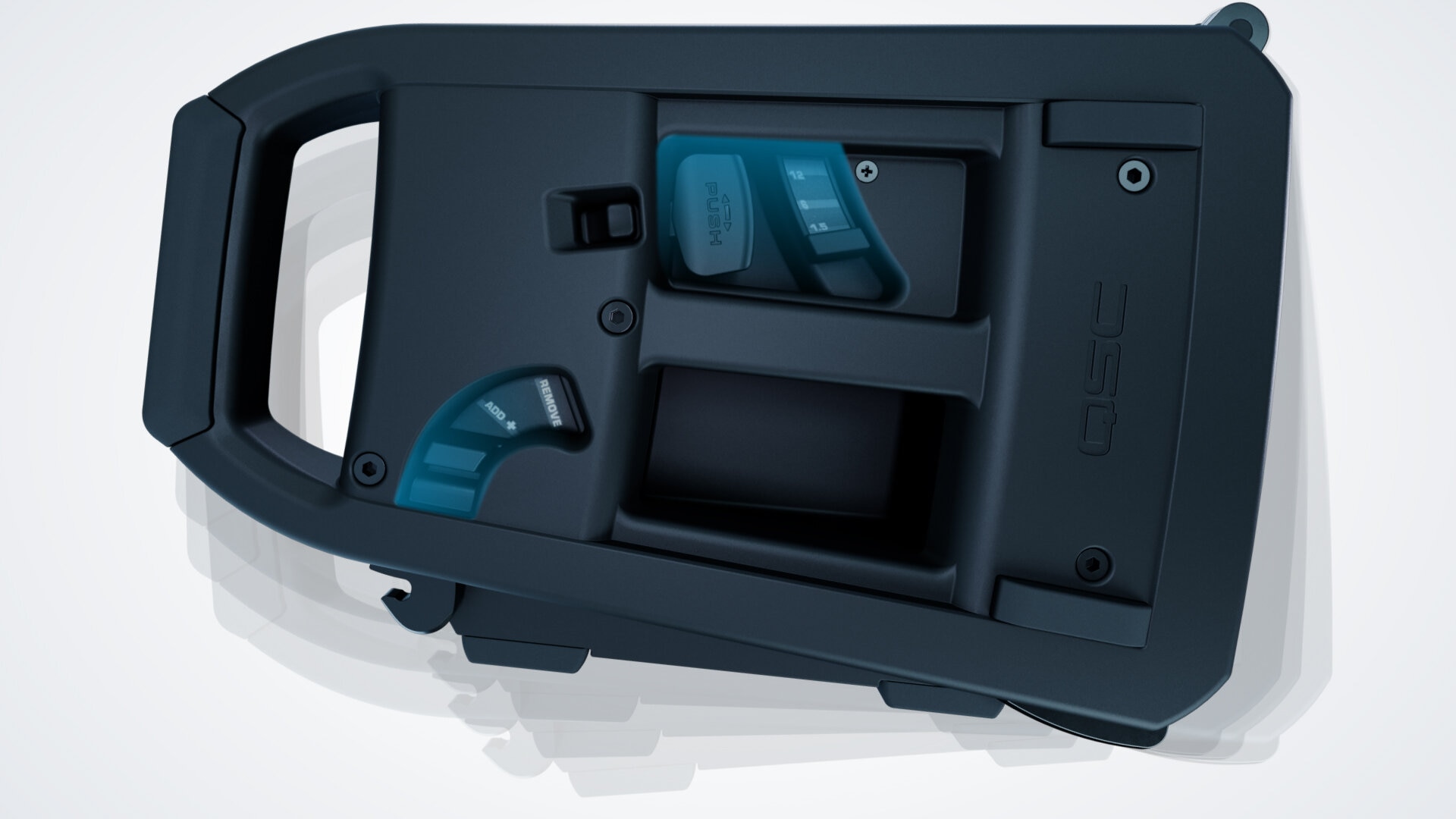
Każdy z modeli liniowych elementów serii L-Class można zmontować jednoosobowo. System riggingu wydaje się być mocno intuicyjny. Nie mamy żadnych zbędnych luźnych elementów ani klasycznych pinów lotniczych. To już zauważalne plusy szczególnie dla klienta eventowego dla którego ważny jest czas i waga ale najważniejsze jest tutaj:
Komunikacja i konfiguracja.
Tutaj QSC postawiło na zautomatyzowany system sterowania. System sterujący QSC AWARE (Automatic Wireless Array Recognition) to przyznam całkiem nowoczesne rozwiązanie. Pozwala na przesyłanie najważniejszych danych dotyczących konfiguracji naszego grona. Daje możliwość użytkownikowi zoptymalizować system jako całość po naciśnięciu jednego przycisku wyzwalającego własne algorytmy DSP. Wbudowana w paczki technologia wykorzystuje wewnętrzne akcelerometry i porty do komunikacji między elementami przy pomocy podczerwieni do zaproponowania najlepszych możliwych ustawień wewnętrznego DSP. Całość informacji jest przesyłana do aplikacji QSC SysNav App która pozwala na pełne sterowanie wszystkimi podłączonymi do sieci kolumnami. Mamy też możliwość sterować zmianami w każdej paczce z poziomu wbudowanego interfejsu z wyświetlaczem i pokrętłem Push & Turn.
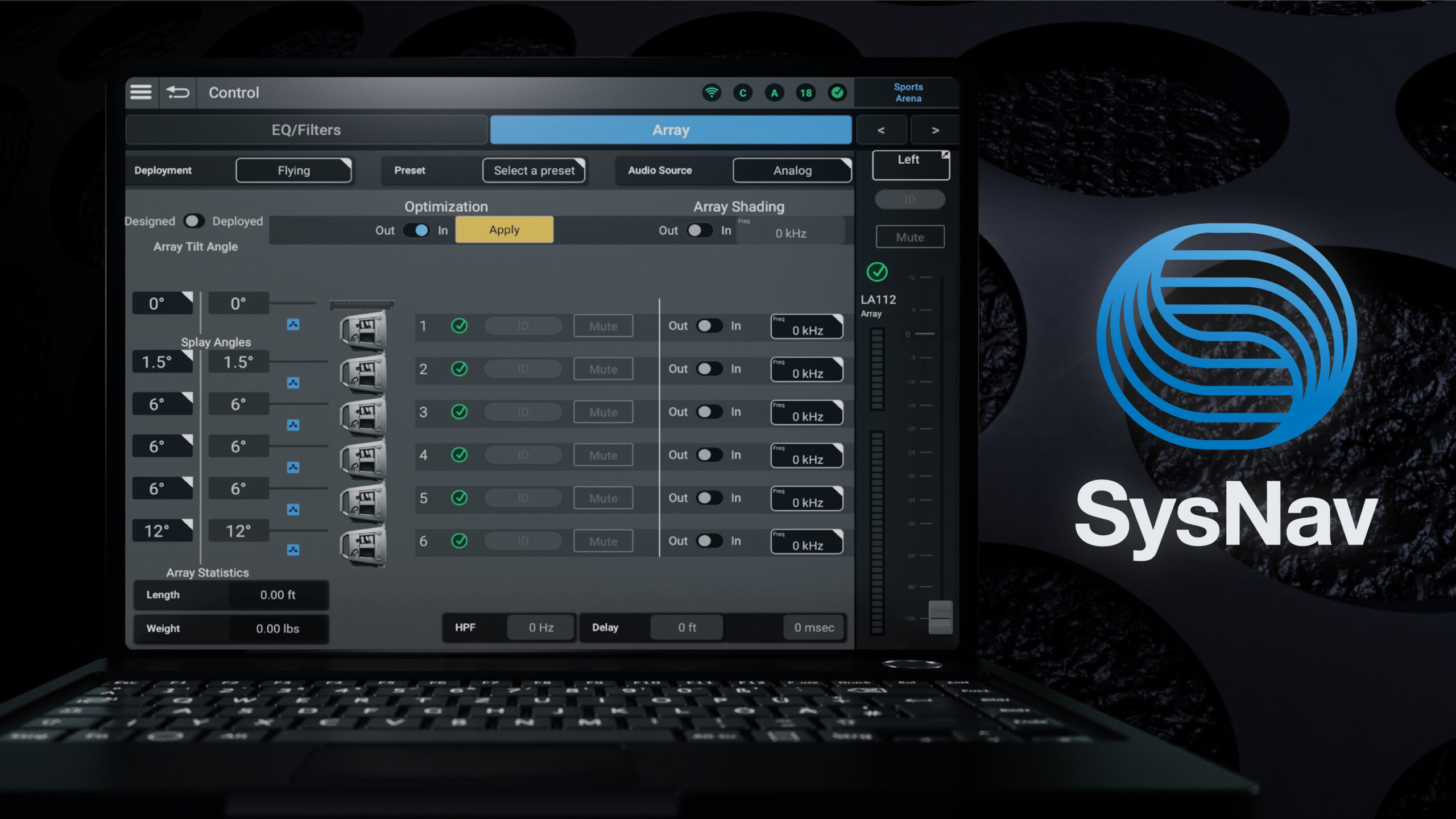
W pierwszym momencie spojrzałem na to i mówię – jasne, już widzę konfigurowanie każdej paczki oddzielnie z poziomu menu na tylnej ściance paczki. Z drugiej strony jeśli weźmiemy pod uwagę komunikację bezprzewodową i to, że każdego systemu trzeba się nauczyć to może się okazać, że jest to całkiem ciekawe rozwiązanie które w przypadku eventów z kategorii „Polish Production” (czytaj na wczoraj) zdecydowanie skróci czas przygotowania i pozwoli waszym ekipom spać ciut dłużej.
Czy tak będzie? Zobaczymy gdy system będzie już można obejrzeć na własne oczy. Póki co musimy zadowolić się informacjami ze strony producenta.
Producent: QSCDystrybutor: Aplauz Audio